Is IUI the Right Fertility Treatment for You?
For many couples, the journey to parenthood can begin with a simple step. Learn what IUI involves, how it works, and what to expect in simple, easy-to-understand terms.
What Is IUI Treatment?
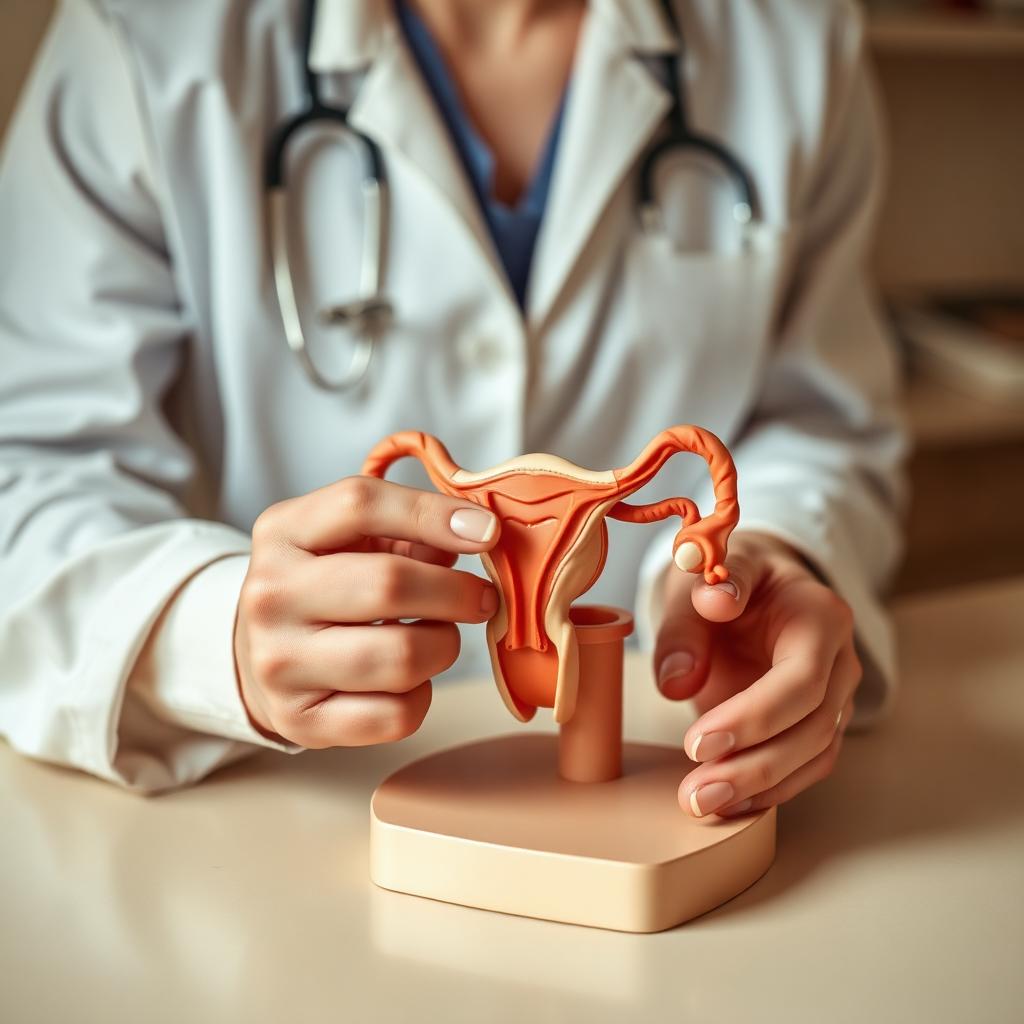
Intrauterine insemination, or IUI, is a fertility procedure where specially prepared, healthy sperm are placed directly into the uterus around the time of ovulation. Instead of leaving conception entirely to timing and chance, IUI gives sperm a shorter, more direct route to the egg — which improves the odds of fertilisation while keeping the process gentle and non-surgical.
It's often one of the first treatments a fertility specialist will suggest, especially for couples with mild fertility challenges, unexplained infertility, or those using donor sperm. Because it closely mirrors natural conception, most women describe it as quick, low-discomfort, and easy to fit into a normal day.
How Does IUI Treatment Work?
The process focuses on timing. Your doctor monitors ovulation with ultrasounds and may use medication to support egg release. On the day of IUI, the semen sample is prepared to select healthy sperm and then placed into the uterus using a thin catheter. The procedure takes only a few minutes, usually without anaesthesia, and you can return to normal activities the same day.
For a detailed explanation, read our guide on what is IUI treatment, which explains the process, success rates, and factors that may affect results.
After the procedure, you usually wait about two weeks before taking a pregnancy test.
IUI Treatment Process
While every plan is personalised, most patients move through the same four stages from the first consultation to the pregnancy test.

Cycle monitoring
Ultrasounds and, if needed, medication track follicle growth to pinpoint ovulation.
Sample collection
A fresh semen sample is collected on the day of the procedure, or a donor sample is thawed.
Sperm washing
The lab separates and concentrates the healthiest, fastest-moving sperm from the sample.
Insemination
The prepared sample is placed into the uterus with a thin catheter — quick, and largely painless.
Benefits of IUI Treatment
IUI is often chosen as a first step because it balances effectiveness with simplicity.
Minimally invasive — no surgery or anaesthesia is required, and recovery is immediate.
More affordable than IVF, making it a practical starting point for many couples.
Short time commitment — the procedure itself is done within minutes at the clinic.
Flexible for different needs, including donor sperm or mild male-factor infertility.
Closely monitored, so timing is optimised rather than left to guesswork.
Low disruption to daily routine — most patients resume normal activity the same day.
IUI Treatment in Chandigarh
Finding the right clinic close to home makes the process far less stressful, especially since IUI involves several monitoring visits before the actual procedure.
Couples exploring IUI treatment in Chandigarh benefit from timely follicle scans, experienced lab support for sperm preparation, and a care team that's easy to reach for follow-up questions between appointments — all of which matter for a procedure that depends so heavily on precise timing.
Have Questions About Your Fertility Journey?
Every couple's path looks different. Book a consultation to talk through your history, get the right tests done, and understand which treatment option genuinely fits your situation.
Contact Us Today